

Unraveling the Woodworking Puzzle: Exploring the Differences Between Dado, Rabbet, and Groove
In the intricate world of woodworking, where precision and craftsmanship are the hallmarks of success, the subtle distinctions between various joinery techniques can often be a source of confusion for both seasoned professionals and aspiring enthusiasts. Among the most commonly encountered and widely utilized joints are the dado, rabbet, and groove - each with its own unique characteristics, applications, and methods of execution. Understanding the nuances that set these three joinery techniques apart is the key to unlocking a deeper understanding of the art of woodworking and empowering woodworkers to make informed decisions in their projects.
At the heart of the dado lies a rectangular groove cut across the grain of the wood, typically used to house the end or edge of another piece of wood. This versatile joint is a staple in cabinetry, shelving, and other furniture construction, as it provides a strong, stable connection while allowing for the integration of additional components. The dado's primary advantage lies in its ability to distribute the weight and stress of the joined pieces, creating a robust and durable connection that can withstand the demands of everyday use.
In contrast, the rabbet joint is a recess cut along the edge or end of a piece of wood, often used to accommodate the edge of another workpiece or to create a space for a panel or insert. This type of joint is particularly valuable in the construction of doors, drawers, and other enclosures, as it helps to create a flush, seamless transition between the various components. The rabbet's unique design not only adds visual appeal but also enhances the overall structural integrity of the final product.
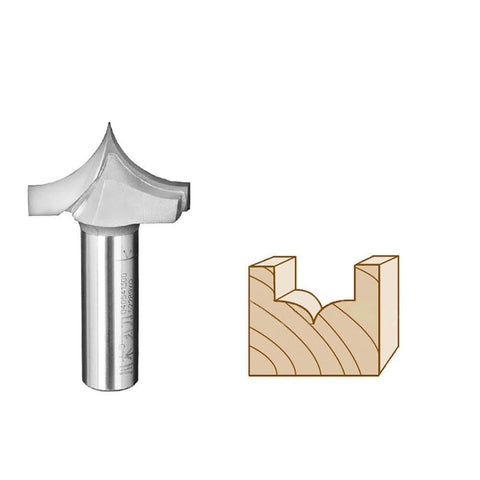
The groove, on the other hand, is a continuous channel cut along the length of a workpiece, typically used to accommodate the insertion of a panel, a decorative element, or even another piece of wood. Unlike the dado, which is cut across the grain, the groove runs parallel to the wood's grain, allowing for greater flexibility in the design and placement of the joint. Grooves are commonly found in the construction of tongue-and-groove flooring, as well as in the assembly of cabinet doors, drawers, and other woodworking projects that require a seamless, sliding fit.
The subtle differences between these three joinery techniques are not merely academic; they hold significant practical implications for the woodworker. The choice between a dado, rabbet, or groove depends on the specific requirements of the project, the desired aesthetic, and the overall structural demands. A skilled woodworker must possess a keen understanding of the unique advantages and limitations of each joint, as well as the techniques required to execute them with precision and efficiency.
In the realm of woodworking, where every detail matters, the mastery of these fundamental joinery methods can mean the difference between a successful, long-lasting project and one that fails to withstand the test of time. By delving into the nuances that distinguish the dado, rabbet, and groove, woodworkers can develop a deeper appreciation for the craft, expand their repertoire of techniques, and ultimately create projects that are not only visually stunning but also built to last.
As the world of woodworking continues to evolve, with the introduction of new tools, materials, and techniques, the enduring significance of these classic joinery methods remains undeniable. They serve as the building blocks upon which countless masterpieces have been constructed, a testament to the timeless principles of design, engineering, and the unwavering human desire to create objects of lasting beauty and utility. By embracing the differences between the dado, rabbet, and groove, woodworkers can unlock new avenues of creative expression, push the boundaries of their craft, and contribute to the rich tapestry of this enduring art form.